Preface: I debated writing this. I debated posting this. It feels potentially awkward and off the mark. I wrote it anyway. I posted it anyway. I suspect at least a handful of my white, 30-something-with-kids friends can relate, and so it feels worth sharing. At this point, I think saying something wrong with good intentions and being willing to learn is better than saying nothing.
Yesterday morning I realized that I have 242 Facebook friends, and of the 242, exactly 1 of them is black. Ironically for someone who writes a public blog, I keep my Facebook profile locked up pretty tightly. “Well,” I reasoned, “I am only friends with people I actually know in real life. I have to have shared some life experience with them and like them well enough to hypothetically go out to dinner with them in order to allow their access to the stories and photographs of my family.” Then I realized the implications of my reasoning and admittedly felt some shame in the lack of cultural diversity in the company I keep. Of the current 242 people whose lives run through my newsfeed, I only see one black person represented in my collection of Facebook-friends-who-are-at-least-real-life-acquaintances-that-I-would-share-a-meal-with. It was striking to realize the almost total lack of interaction with, exposure to, and influence of black individuals in my life on a personal level.
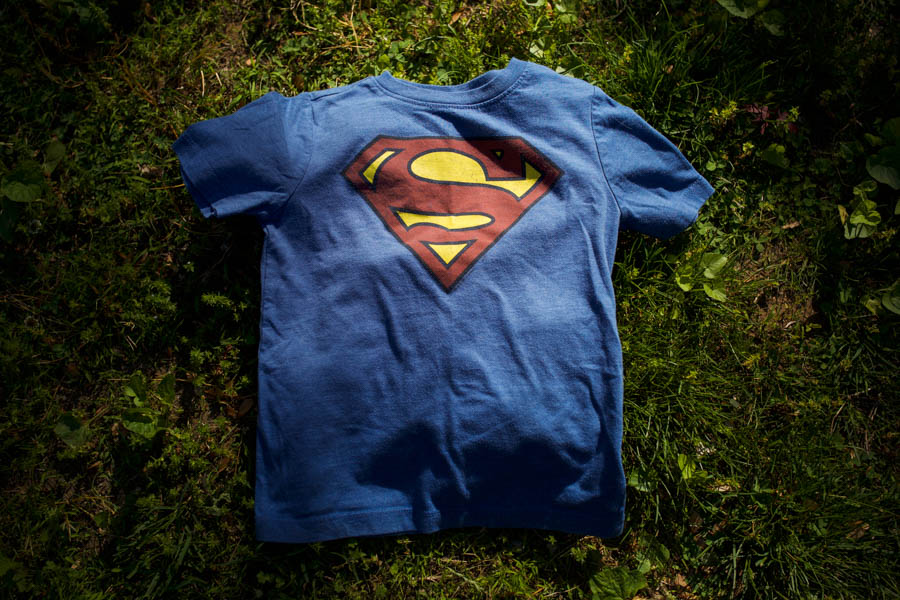
A few years ago, I took a photograph of the backs of my younger son and another young boy. (I thought of sharing that photo at the top of this post. It didn’t feel right to post even the back of a child who is not mine without consent, especially as an example of race. I cropped it. It still didn’t feel right. But I think you will be able to see it in your mind as you read this paragraph.) My husband and I had taken our boys to the Tadpole Playground at the Boston Common. My son and the other boy struck up a friendship during their shared time at the playground, at least partly due to the fact that they had seen each other’s matching Superman t-shirts. The other boy was around 5 or 6 years old. He had endless patience for my youngest’s developing ability to navigate the play equipment, waiting for and encouraging him as he tentatively climbed. My son slowed down the pace of the other child who was much more able to access the equipment with ease. I wouldn’t have blamed the new friend for leaving my toddler behind in order to make the most of his freedom and time at the playground. But he didn’t. He stuck with him, his dark skin contrasted against the lightness of my little towhead as they held hands in between their matching blue t-shirts. They played together until the boy’s mother collected him along with his older sisters to return home. “Goodbye, Superman!” my son called after him as the boy disappeared into the crowded park.
In my little house on my little white suburban circle, my day to day life is so far removed from the realities I have seen shared by our black neighbors throughout the country within the past few days. My 5 and 7 year old boys know nothing of the murder or protests and riots that have occurred throughout the past week. They have the privilege of not knowing – their lives don’t depend on it. They will be fed without worry this day and the next, unlike children in Minneapolis who have lost access to stores within walking distance. They were able to fall asleep last night without the sounds and lights of emergency vehicles bouncing around their bedrooms. When I pray over the rise and fall of their chests as they sleep, it doesn’t occur to me to ask for protection due to the color of their skin as they play outside. My husband and I enjoy walking around the neighborhood as a family, but do not need our children with us to keep up a family appearance for fear that without them (and especially while wearing a mask in consideration of others) one of us alone may be misconstrued as a threat. The contrast is jarring.
I am giving thoughtful intention to what I can do in my role as a white mother of white boys. I can LISTEN. I can read. I can click “follow” on Facebook and Instagram and bring more exposure and awareness to myself of what black people and other people of color are sharing about their own lived experience. I can read books to my children involving black characters and families. Not just about civil rights leaders and themes of diversity, but featuring the stories and illustrations of characters whose skin looks different from ours in order to normalize these differences despite our very predominantly white circle of friends and family. I can use the language and descriptors that people prefer others use to describe them. When my son innocently tells me about “the black-skinned girl” in his class, I can gently correct his description to “the girl with the black skin” (this exemplifies an area I could use guidance with – is my correction even correct?). I can promote gentleness and kindness and inclusion in my own home. I can vote for leaders who value the safety and worth of black people and other people of color. I can talk to my boys about injustices we witness in our country, our world, their lives. I can follow through on my favorite promise we make in the Baptismal Covenant from the Book of Common Prayer and teach my boys to “strive for justice and peace among all people, and respect the dignity of every human being”. I can admit that I don’t know all the answers, acknowledge that discomfort can lead to growth, and model respectfully asking hard questions. I can be like my toddler son on that playground, clumsily making my way through unfamiliar territory while trusting and leaning into the instruction and experience of the ones who are very familiar. I can raise these boys to always see the Superman in themselves and in others, to understand that the sameness of their ability to love and be loved will always be stronger than a difference in skin tone.
What else can I do? I ask this in earnest. Comments welcome and appreciated.
 A Moment's Notice