We Wait

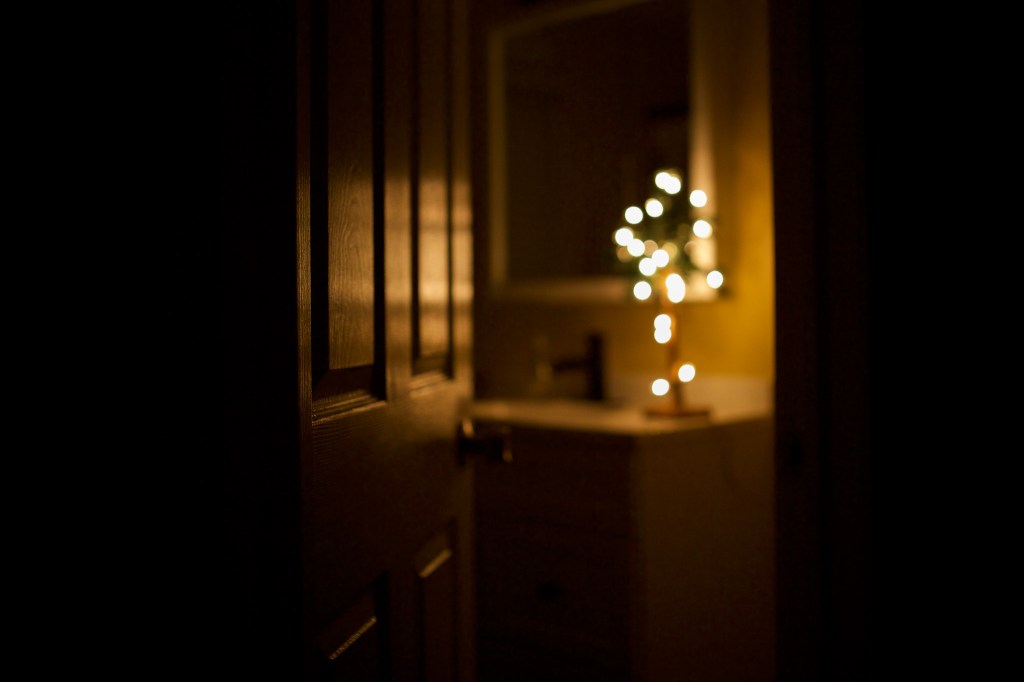
An 18-inch, lighted palm tree has spent years tucked away in my basement. It is similar in appearance to an artificial Christmas tree. A tan strand of tiny white lights winds upward around its trunk and then weaves through the branches. The tree has almost made its way to my local Buy Nothing site on several occasions. Every time I consider purging it, I hesitate. Back on the shelf it goes. At the time of this seemingly random purchase I was working with a student without a lot of intentional motor control. She had been learning to use her hand to hit a switch (designed much like the Easy button from Staples) in order to activate a toy. Some of the switches ran on a wire directly to the object they controlled, however we had a little converter box that would allow a switch to activate any item plugged in to a regular outlet. I bought the palm tree on a whim one day thinking that we could plug it into the box to see if she might delight in her power to turn the lights on and off. After turning off the overhead lights, placing the tree on the table in front of her, and modeling how to use the switch to make the tree light up, we waited. There was a pause. And then, light. Giggles. Darkness. Waiting. Would she do it again? Then, more light. Followed by darkness. Waiting for light. Repeat.

Each morning my sons take a figure out of a little numbered pocket on their fabric Advent calendar and velcro it to the nativity scene at the top. This daily December ritual has thankfully gotten less contentious this year on account of their recently developed understanding of using even and odd numbers to take turns. When I was a child, my sister and I had a similar December pattern of moving the little mouse head with the thinly stuffed orange body one pocket at a time until we reached Christmas Eve. I don’t know why that particular Advent calendar stopped on the 24th instead of continuing on until Christmas Day. Maybe Avon assumed we’d be too busy buried beneath stockings and crumpled bits of wrapping paper on Christmas morning to remember to move the mouse to its final destination. It had gotten us close enough to Christmas. The Advent calendar my sons will have memories of does indeed have a 25th pocket. And who better to find than Jesus, tucked safely inside on Christmas morning, waiting for his turn to complete the nativity scene above.

Advent is my favorite season of the church year. I love that there exists a season of waiting. Of darkened evenings and candlelight and quiet anticipation. The hustle and bustle of the physical tasks of the season easily overtake the discipline of waiting, though both are necessary avenues of preparation. Ten years ago I tagged along as my husband directed a college choir tour of Germany and Austria in late November. My most poignant memory of that trip occurred as we departed a church in a tiny, one-steeple town in the Alps following an afternoon performance. Our bus carefully crept through the narrow, snowy lane as families emerged from their homes in the village and walked in the direction of the church. Each family carried a ring of greenery as they strode up the hill. They are holding Advent wreaths, our tour guide explained. Each family makes a wreath, and they bring them to the church to be blessed prior to lighting their candles on the first Sunday in Advent. The village glowed pink turning to purple with the setting of the afternoon sun. There it is. Darkness. Waiting. Silent expectation.

The thing about waiting during Advent is that we know when the season will end. And we know HOW it will end. We work through the darkness with knowledge and hope. Waiting isn’t always predictable and calculable, but each day that we add a figure to the nativity, or move that mouse, or open a cardboard door to eat a waxy piece of chocolate, clearly visible are the days that remain until the awaited arrival of the baby Jesus and the accompanying celebration. Advent feels complicated this year, I recently surmised. Then I realized that we have been in a season of wait since March with no definitive end in sight. No daily token to mark our counting down of time. This wait is hard, and scary, and lonely. We fear for the lives and health of family and friends. We wait for news of illness, positive tests, and death. We do the best we can to care for ourselves, our families, and our community. We appreciate those who take seriously the risk, and struggle to understand those who do not. The waiting feels complicated this year because the waiting IS complicated this year. 

What if it were possible to count down the days until this pandemic and the accompanying hardship come to an end? If we had a pocket-filled calendar with a daily token to help us measure and satiate us while we wait? No one knows what number would be neatly printed on that last pocket (though I suspect it is quite a bit higher than 25) but I bet we all know what we’d choose to find inside. Hugs and family gatherings and shared meals and church and travel and singing and tears of gratitude and the unburdening of our children. Physical togetherness without threat of danger. Though we cannot count down in exact numbers, each day forward is one day closer to that final pocket and the point of celebration.

About a month ago we’d had a string of days with hard moments and big feelings in our house. Inspired by the success of another mother in employing this strategy, I pulled out all the stops and offered the offending child a “fancy bath”. Initially suspicious that he was in trouble (he should have been), I filled the tub with bubbles, placed a few pieces of Halloween chocolate next to the tub, and cued up Netflix on an iPad atop an upside down laundry basket. I grabbed the palm tree out of the basement, set it on the countertop, plugged it in, and turned off the overhead lights. The fancy bath worked its magic and the boy emerged renewed. Discipline requires both consistency and grace. It appears that the palm tree has taken up permanent residence in my upstairs bathroom as since that day, a dark bath or shower lit only by the soft glow of tiny white lights has occurred at least once a week. Each time I plug the cord into the outlet on the wall, I catch a glimpse of the pink initials of my former student written on the tag. Where I had once waited to see the light turn on, the light now IS the wait. It is a visual symbol of the physical reset happening in that moment. Eventually the water shuts off or the drain releases and I hear in the lightness of my child’s voice that there has been a release of frustration as well. I breathe easier at their relief. And I have found that the palm tree reset works just as well for mamas as it does for little boys. Sometimes it becomes necessary to find oneself sitting in the shower at 7:00pm, palm tree casting a glow, in order to replenish the patience that had seemingly disappeared that afternoon. A strategy that has yet to fail. That silly palm tree, phone calls with family and friends, and little boy belly laughs are a light in this dark time. This too shall pass, I was recently reminded. And so it shall. For now we look for the light. We pray. And, we wait. 
The Water is Wide

My younger son attended his first Music Together class when he was 3 weeks old. His earliest sessions only required that I peer over at him every few minutes to ensure that he remained asleep in the infant carseat. Soon he transitioned to being worn in a carrier as I tried my best to balance his needs with participating in the class with my toddler. Some weeks were more successful than others. The trenches of that baby-and-a-toddler music class are where I was fortunate to develop some of my most meaningful friendships. It is less than graceful to awkwardly weave through a room of dancing toddlers, chasing the toddler belonging to you in a full display of disobedience, without dropping his baby sibling. Luckily, there was nothing but grace extended to the mamas who found themselves in that situation. In practically no time at all my youngest crawled right into the blur of music and movement and color as if he had been a part of that excitement his whole life. Because he had.

For four and a half years, each season during the academic year brought with it a new session of Music Together classes. The duration of time spent with my children in those classes exceeded the time it took me to earn my college undergraduate degree. Each session contained a CD with a somewhat formulaic yet delightfully diverse collection of music. There was at least one lullaby included in every collection, and the spring that my youngest was a sleepy newborn tucked into that carseat, the lullaby was The Water is Wide. 

When I found myself alone with him in our hospital room for an extra night of observation before he could be discharged at birth, I was surprised to find it difficult to sing to him. He felt unfamiliar and it seemed odd in the exhaustion and emotion of that moment to sing him the songs that until that point had belonged to his brother and I. Eventually we found our songs. Several weeks into his first Music Together session, The Water is Wide was stuck in my head one night after having sung it that morning in class (and many, many times in the car as that session’s CD played on a loop). I sang it to him as we rocked and he drifted off to sleep before I placed him into his crib. That song remains part of our nightly routine. 

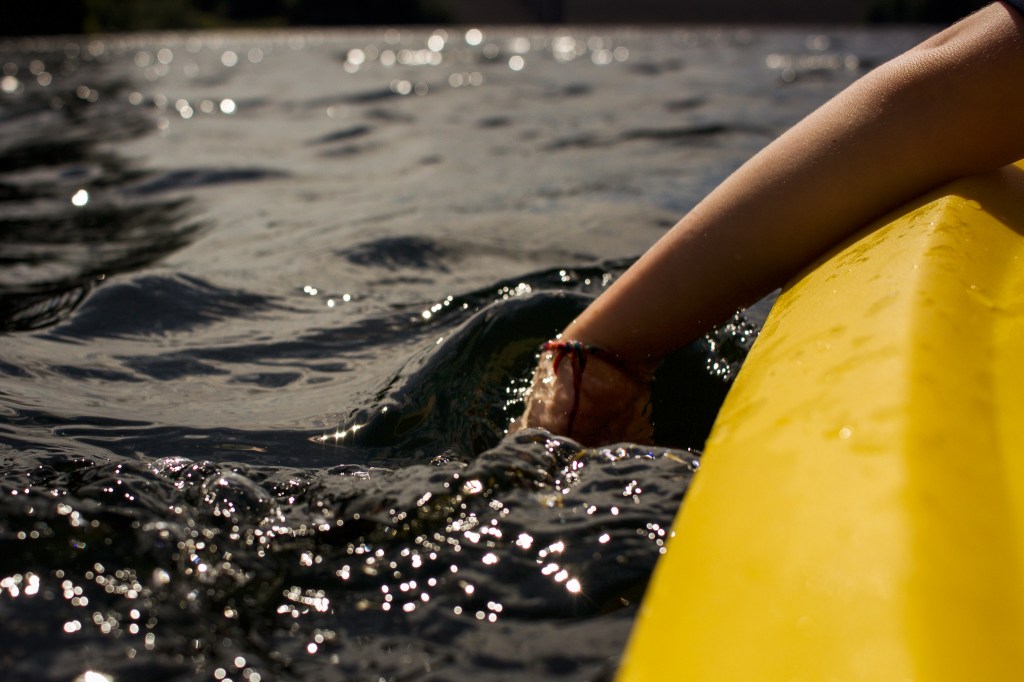
A few weeks ago I watched as his hands shot out of the kayak and into the water in front of me, incrementally adjusting my body to compensate for his shifting weight. Right hand, right hand, left hand. Left hand. Right hand. I pondered his reason. He always has a reason. He tends to glide his hands through the water as he passengers, but this was different. “Mama,” he spoke, breaking the silence. “You should really feel the bottom of a lily pad. It’s so peaceful.” I smiled as he continued to reach, now noticing the slight circular motion of his thumb as his fingers disappeared below the surface of the water. I delighted in him, this owl-loving, rainbow-drawing child with the wistful blue eyes whose authentic self is so much more than I ever could have imagined him to be. 

Every night the light from the moon hanging high on his bedroom wall spills over us as we lay together and sing. He reaches around my neck and plays with my hair between his fingers. He learned that from me, I realize, as I feel the pull of his hair woven through my own fingers. I wonder how long he will sing an octave higher than me, that sweet, high voice finally in pitch. “Give me a boooooat, that can carry twoooooo, and we shall roooooow, my Mama and I…” my boy sings. He lifts his head up from the pillow and grins. “I sang my MAMA and I.” “You sure did,” I say, returning his grin. I snuggle him a little more tightly. 

The water is wide. Right now that wide water consists of learning to do school at home and managing his body and missing playing with his friends. I suspect the water will only widen as he grows. As we all grow. How grateful I am to have this child in my boat, and what an honor it is to be in his. 

A Place to Return To

“Mama, look! Fred’s back!” I glanced out the window above the kitchen sink to see the bright red feathers of a cardinal sifting through the feeder, a pile of discarded sunflower seed shells by his feet. His mate, Ginger, was on the ground searching for insects nearby. That suction cup window feeder is one of the best purchases we’ve made during, as my 7-year-old says, “this here quarantine”. The cardinal visitors have been among our greatest rewards during months of heightened backyard observation. My husband bestowed the names “Fred and Ginger” upon the pair back in May and the names stuck. Though we see one specific pair more frequently, there are definitely 2 (possibly 3?) Freds and as many Gingers. Fred’s appearances at the feeder have been predictable: mornings and evenings for a lengthy amount of time as well as sporadic afternoon visits. We identify his chirps coming from the treetops even when we cannot spot him. Ginger tends to be skittish and approaches the feeder with more irregularity. As spring turned into summer we have had the delight of watching several juvenile cardinals come to our window, their beaks and plumage now brightening as the days grow shorter. We have enjoyed the way in which their daily return to the feeder intertwines with our own days. We anticipate seeing our cardinals throughout the changing seasons, and are curious to see which migratory birds drop off our radar and then return to our feeder next spring.

Having a place to return to has been fresh on my mind as I know full well the pull of returning to a beloved location year after year. When I was a young teen into early adulthood, summer meant a seasonal address change to 822 Peru Road as I spent the entirety of those warmer months at Camp Ashmere. I cannot imagine a better place to have spent the summers of those formative years. The friendships, spiritual growth and mentorship, love of the lake, leadership skills, confidence, opportunities for mistakes and forgiveness, and memories of those years continue to deeply impact my life. “This place is in your blood,” a friend observed one evening as we looked out over the camp from the second floor balcony of the bathhouse, having finished the day’s work of painting and landscaping and mattress placement prior to the start of the official camp season. He was right.

More recently, we spent a week at a lake house rental in NH with my husband’s family. It was our fifth summer there together, and that old house on a little pond has grown so dear to us. As a parent of young children I see growth demonstrated through the yearly return to a place. We have exchanged diapers and pack ’n plays for Pokemon cards and boogie boards. The kids’ backpacks, larger now, are filled to the brim with chapter books while our beloved board books sit abandoned on the shelf at home. We used to watch toddlers splash within the confines of a roped off shallow area and we now watch a growing pile of discarded puddle jumpers and swim belts as the kids freely jump off the raft, emerge, and climb up to jump again. Each and every year they can do a little bit more: kayak a little longer, cast their fishing poles a little farther, love that place and our family time together a little stronger. 

After leaving teaching in my ninth year to stay home with babies-turned-big-kids, it was always the plan for me to return to my job this year. I went back briefly when my older son was one. It wasn’t the right fit for our family. I resigned. “When our second child goes to kindergarten,” we agreed, before he was even conceived. Now here we are with our rising second grade and kindergarten sons. As we had said, I do indeed find myself preparing to return to teaching this year. My desk is littered with a collection of scope and sequence guides from math and reading curriculums, the guides themselves covered in a rainbow of fluorescent ink as I process and plan. My trusty laminator and tangle of velcro will be put to work as soon as I finish cutting out a growing stack of printed cardstock. There is an ongoing list titled ‘Read-Aloud Ideas’ on a notepad to my right and a bright pink post-it note containing log-in information to various online resources stuck to the corner of my computer. I have put tennis balls on the bottom of a child-sized chair, organized math manipulatives, and keep finding “just one more thing” to add to my online shopping cart. I have delved deeper into the MA curriculum frameworks than I have in at least a decade and am reigniting my love of teaching multi-sensory phonics. I have also done something that we did not anticipate as part of my “return to teaching” plan – officially submitted a ‘Home-Based Education Application’ to the boys’ school department.

As I sorted through the bins and photocopy paper boxes containing my teaching supplies recently, I was flooded with memories of faces and the places those materials had been. I found the little envelope that stays tucked safely inside the top drawer of my school desk. Inside are photos of the boys who grew me from a college graduate with an education degree into an experienced teacher. When I left them and that district, I quietly questioned if it was truly teaching that I loved or those specific students, families, and community. Luckily, my skills and instincts have proven to transfer to each teaching situation I have encountered. Each time I set up a new classroom (six different physical spaces in three districts in those nine years…) I would feel a growing sense of excitement for what the year would hold. That familiar sense of excitement about the potential of a fresh school year has returned as I prepare a room in our home for what I anticipate being my most important, rewarding year of teaching yet.

I hear Fred chirping outside of the kitchen window as I sit at my desk. He has returned to the feeder this morning, as predicted. I am returning to teaching this year, not quite how we predicted, but as predicted nonetheless. I pause and listen to the cheerful chirps, giving silent thanks for sharing in the feeling of having a place to return to.

It’s Different, But It’s Ok

A few weeks ago my two boys played with their cousins for the first time in almost 4 months. My sons had not played with any kids aside from each other since the day they left PreK and 1st grade back in March. They were delighted. The kids chased and caught moths, balanced on river rocks, and surprised themselves with how their swimming skills have improved since last summer. We witnessed a bald eagle flying toward, directly over, and then away from us as it followed the winding path of the river. We celebrated Grandpa’s milestone birthday in person instead of via Zoom, which was how we had celebrated Nonna’s birthday two months prior. It was a good day. It almost felt normal. Except normally I wouldn’t hold my breath for the following two weeks until we knew for sure that it hadn’t been a mistake to share space.

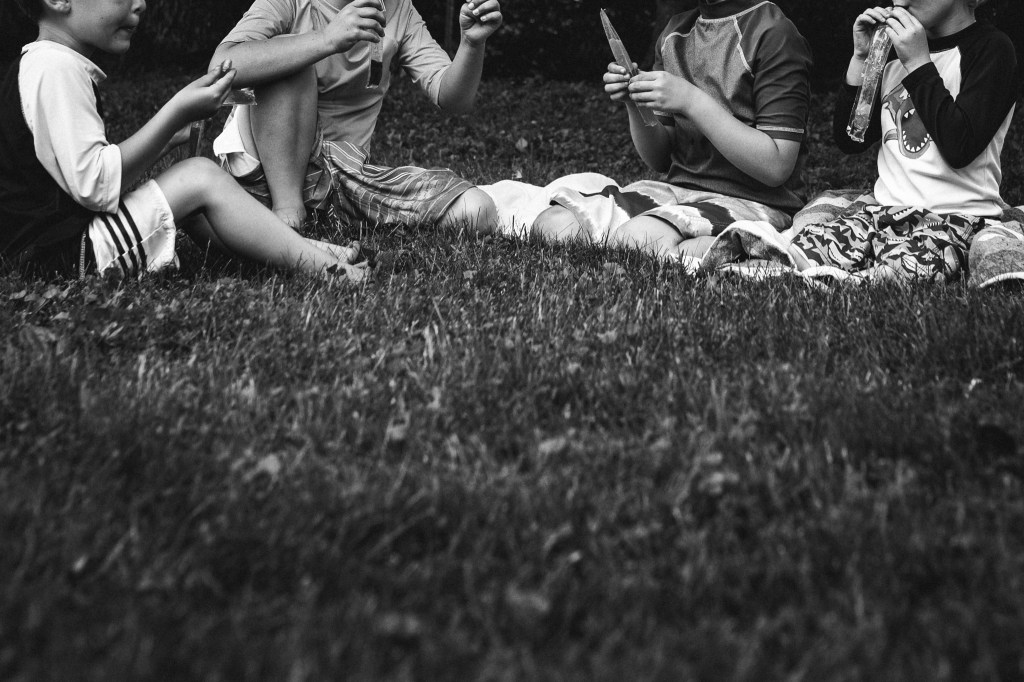
The four boys sat on a blanket with their freeze pops following dinner, swimsuits now dry from their river adventure. There was symmetry in their placement – younger brother, older brother, older brother, younger brother. They laughed and giggled, lips darkening into red, yellow, and pink as the pops disappeared from their plastic casings. “I just got you!” I heard one cousin exclaim. “I got you with a foam ball! Quick, let’s climb up to the next level!” “Ok!’ another cousin agreed. “Let’s go!” Except they didn’t go anywhere, and there was not a foam ball in sight. I paused to listen. “Guys, I’m done playing Billy Beez. Let’s pretend we’re at the New Hampshire house! Let’s pretend to watch a movie of it!” “Yeah!” they all agreed. And without skipping a beat they turned to face the same direction, looking at a movie screen that wasn’t there and continuing their commentary of shared vacation memories as if it were. 

One of the instructional strategies I implement in my work with children with Autism Spectrum Disorders is a social story. Social stories are used in a variety of ways and for a variety of reasons, but the gist is that they teach expectations, routines, verbal scripts, and behavioral responses to new and/or challenging situations. A line I was taught to include in many of the social stories I write for kids is, “It’s different, but it’s ok.” And every time I do, I hear in my head the sing-song, higher pitched emphasis on “DIFFERENT” and then the lower pitched strength in “OK” in the voices of my earliest mentors. Sometimes our class practices being safe during a fire drill. It’s different, but it’s ok. Sometimes a baby tooth falls out and a new tooth will grow in. It’s different, but it’s ok. And most recently – We have to wear a mask when we are at a place that is not home. It’s different, but it’s ok. That acknowledgment of the different followed by the encouragement and permission to accept something new can be such a mantra of reassurance, especially for individuals who have a difficult time straying from the familiar, expected routine.

Yesterday my younger son asked when we will be seeing his cousin on my side of the family who lives several states and a 14 hour car ride away. “I know when we’ll see him!” he exclaimed, his face lighting up. “On the 4th of July!” My heart sank. “Well, bud, we USUALLY see him on the 4th of July, but this year is different.” Though we have been talking about not seeing that particular cousin this summer, I realized that his five-year-old concept of time didn’t truly process the implications of what that meant. However the specifics of my family’s 4th of July celebration are well-established. The 4th of July means a visit from my sister and nephew, wine and sparklers from Indiana, and sitting on a blanket under the stars (or umbrellas) on the lawn of Tanglewood while my father sings along with James Taylor. “Well what WILL we do?” he asked. I told him we’d go to his Nana and Pops’ house. “Yeah and what will we DO?” he demanded, not yet satisfied with my response. “Well, we will play with glow sticks. And roast marshmallows. How does that sound?” “Good,” he replied.

Good, I thought.

It’s different, but it’s ok. 

And I thought about my boys with their other cousins a few weeks back – sitting with their freeze pops, pretending to be at a play place that has been closed for months, reliving memories of our annual vacation house that we are hoping and praying and crossing our fingers and toes we can still visit later this month. In the moment I saw sadness and the profound emotional impact of the need to social distance and use caution when together. Today I realized that though I was sad for them, THEY weren’t sad. They were happy to finally be together and connect via shared memories and experiences. It was a different way of being together, but they were ok. It’s different, but it’s ok. 

There are many things happening in our world and in our individual lives right now that are most decidedly NOT OK. I recognize that and feel it, viscerally. I see the flaws in applying “different but ok”, yet it gave me pause today and was a helpful shift in my thinking. It has been difficult for me to find the line between “irrational anxiety” and “rational caution” as we navigate making the best decisions for our family throughout this summer and into next school year. But as I look at those four cousins playing through a lens of resilience instead of a cloud of worry it does bring a sense of hope. Everything that is beyond our control starts to feel a bit more manageable.

For many people, this summer looks different from what we had originally anticipated. Some people’s “different” is bigger, harder, more heartbreaking than others. But I suspect just about everyone has found themselves facing at least some degree of change or challenge as of late. It’s different, but it’s ok. Or it WILL be ok, eventually. Or maybe it actually ISN’T ok, really, but small glimmers of ok will start to burst through the different if you look for them to be there. 

Seeing Superman

Preface: I debated writing this. I debated posting this. It feels potentially awkward and off the mark. I wrote it anyway. I posted it anyway. I suspect at least a handful of my white, 30-something-with-kids friends can relate, and so it feels worth sharing. At this point, I think saying something wrong with good intentions and being willing to learn is better than saying nothing.

Yesterday morning I realized that I have 242 Facebook friends, and of the 242, exactly 1 of them is black. Ironically for someone who writes a public blog, I keep my Facebook profile locked up pretty tightly. “Well,” I reasoned, “I am only friends with people I actually know in real life. I have to have shared some life experience with them and like them well enough to hypothetically go out to dinner with them in order to allow their access to the stories and photographs of my family.” Then I realized the implications of my reasoning and admittedly felt some shame in the lack of cultural diversity in the company I keep. Of the current 242 people whose lives run through my newsfeed, I only see one black person represented in my collection of Facebook-friends-who-are-at-least-real-life-acquaintances-that-I-would-share-a-meal-with. It was striking to realize the almost total lack of interaction with, exposure to, and influence of black individuals in my life on a personal level. 

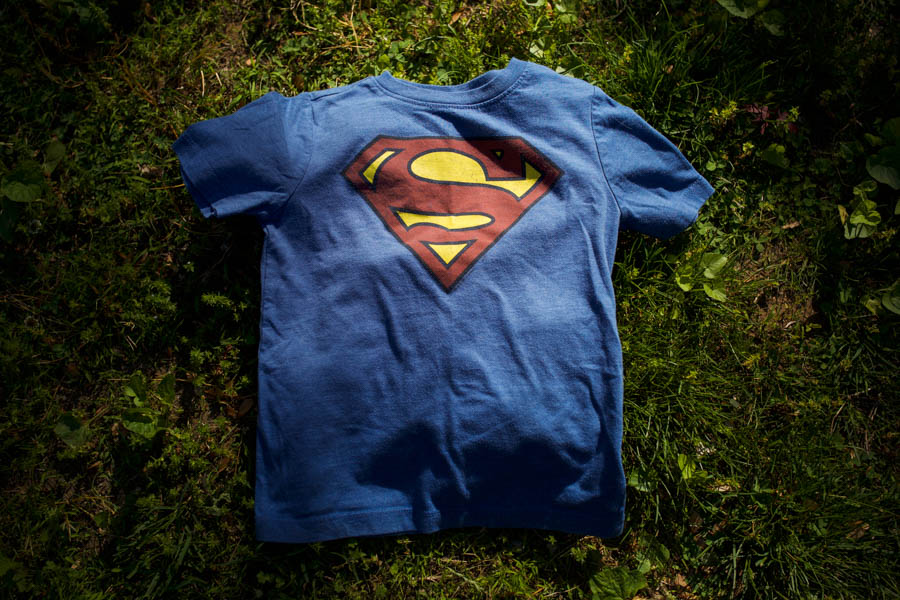
A few years ago, I took a photograph of the backs of my younger son and another young boy. (I thought of sharing that photo at the top of this post. It didn’t feel right to post even the back of a child who is not mine without consent, especially as an example of race. I cropped it. It still didn’t feel right. But I think you will be able to see it in your mind as you read this paragraph.) My husband and I had taken our boys to the Tadpole Playground at the Boston Common. My son and the other boy struck up a friendship during their shared time at the playground, at least partly due to the fact that they had seen each other’s matching Superman t-shirts. The other boy was around 5 or 6 years old. He had endless patience for my youngest’s developing ability to navigate the play equipment, waiting for and encouraging him as he tentatively climbed. My son slowed down the pace of the other child who was much more able to access the equipment with ease. I wouldn’t have blamed the new friend for leaving my toddler behind in order to make the most of his freedom and time at the playground. But he didn’t. He stuck with him, his dark skin contrasted against the lightness of my little towhead as they held hands in between their matching blue t-shirts. They played together until the boy’s mother collected him along with his older sisters to return home. “Goodbye, Superman!” my son called after him as the boy disappeared into the crowded park.

In my little house on my little white suburban circle, my day to day life is so far removed from the realities I have seen shared by our black neighbors throughout the country within the past few days. My 5 and 7 year old boys know nothing of the murder or protests and riots that have occurred throughout the past week. They have the privilege of not knowing – their lives don’t depend on it. They will be fed without worry this day and the next, unlike children in Minneapolis who have lost access to stores within walking distance. They were able to fall asleep last night without the sounds and lights of emergency vehicles bouncing around their bedrooms. When I pray over the rise and fall of their chests as they sleep, it doesn’t occur to me to ask for protection due to the color of their skin as they play outside. My husband and I enjoy walking around the neighborhood as a family, but do not need our children with us to keep up a family appearance for fear that without them (and especially while wearing a mask in consideration of others) one of us alone may be misconstrued as a threat. The contrast is jarring. 

I am giving thoughtful intention to what I can do in my role as a white mother of white boys. I can LISTEN. I can read. I can click “follow” on Facebook and Instagram and bring more exposure and awareness to myself of what black people and other people of color are sharing about their own lived experience. I can read books to my children involving black characters and families. Not just about civil rights leaders and themes of diversity, but featuring the stories and illustrations of characters whose skin looks different from ours in order to normalize these differences despite our very predominantly white circle of friends and family. I can use the language and descriptors that people prefer others use to describe them. When my son innocently tells me about “the black-skinned girl” in his class, I can gently correct his description to “the girl with the black skin” (this exemplifies an area I could use guidance with – is my correction even correct?). I can promote gentleness and kindness and inclusion in my own home. I can vote for leaders who value the safety and worth of black people and other people of color. I can talk to my boys about injustices we witness in our country, our world, their lives. I can follow through on my favorite promise we make in the Baptismal Covenant from the Book of Common Prayer and teach my boys to “strive for justice and peace among all people, and respect the dignity of every human being”. I can admit that I don’t know all the answers, acknowledge that discomfort can lead to growth, and model respectfully asking hard questions. I can be like my toddler son on that playground, clumsily making my way through unfamiliar territory while trusting and leaning into the instruction and experience of the ones who are very familiar. I can raise these boys to always see the Superman in themselves and in others, to understand that the sameness of their ability to love and be loved will always be stronger than a difference in skin tone.

What else can I do? I ask this in earnest. Comments welcome and appreciated. 

Happy Freedom

The boys practiced roasting their ideal marshmallows (“Perfectly golden brown!” and “Supah bwack and cwispy!”) as the 80’s playlist shifted to the next song. I half-listened over their excited chatter while my husband sang along, intermittently adding sticks to the fire. “…I need you so, Take! These broken wings!” He glanced over at me. “Maybe not,” he said, skipping ahead to the next selection. The chorus of that Mr. Mister song was just about the last thing we needed. “Too soon,” I agreed, with a half smile and a slow head shake.

Earlier that day Ted, our first butterfly to attempt to emerge from its chrysalis, did not make it. He had formed his chrysalis on the ground of the caterpillar cup. Despite our best efforts to do what was recommended when we transferred the chrysalis to the butterfly habitat, Ted did not successfully emerge. His wings were crumpled and he was unable to walk, nevermind fly. “Well,” said my youngest, a bit of a pragmatist. “I guess he just had to die.” When the boys were smaller and in the “Why? Why? Why? But WHY?” stage we would answer their questions as best as we could. Then when all else failed we would rely on Louis CK to offer our way out. “Because some things are, and some things are not,” became the line that meant, “We have done our very best to provide you with an adequate explanation, and have now reached the end of the line. We simply have nothing more to offer you in response at this time.” 

The little one’s personality is well-suited to accept the concreteness of situations that simply are or are not. But not my big guy. I knew it was coming. Heavy sobs, the kind of crying that comes when the many other things you haven’t wept for catch you by surprise and come cascading out as well. He comes by those big feelings so honestly. Tempering them takes recognition and work along with the permission, space, and time to feel them. We placed Ted gently beneath our blossoming cherry tree and sat in somber silence as the tears fell. Eventually we moved on. Ted has been a topic of conversation at least once a day since then. It is one thing to know the risks of witnessing nature but another to process watching things not go as they should.

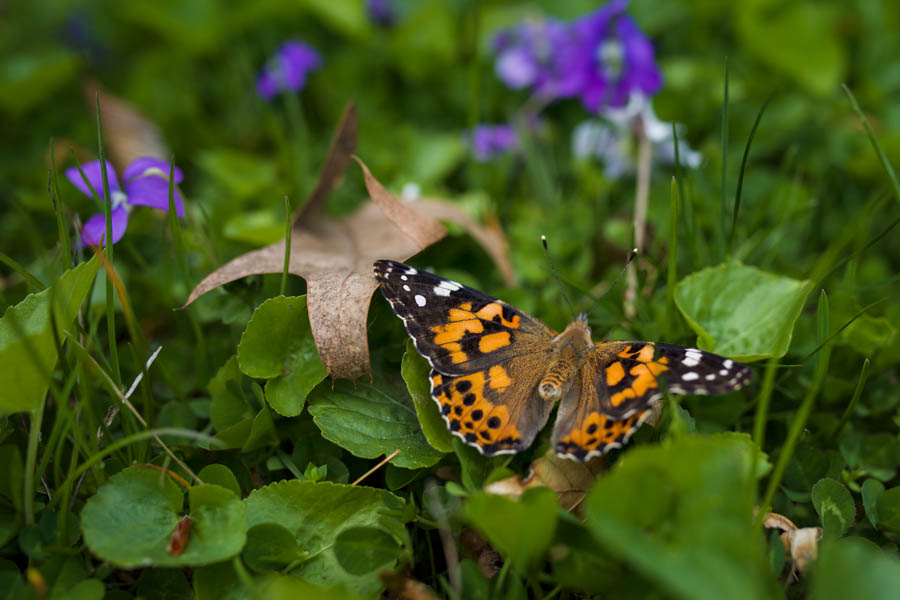
Five butterflies emerged the following day. They immediately appeared to be in much better condition than poor Ted, rest his soul. The boys spent the entire day enthralled with their existence. “That one opened its wings!”, “Look at that guy walk at the top!”, “What is all of that red stuff?”, and “Mama! One just flew!”. The benefit had outweighed the heartache. I hoped that it would. 

At some point in my childhood, my mom completed a cross stitch of the quote, “There are two gifts we should give our children. One is roots, the other is wings.” It hung next to the front door in our living room, eventually displaying a crack in the round, wooden frame as a result of falling from its nail one too many times in response to the slamming of the door. I am lucky in that so many of my childhood roots intertwine with those of my husband. I want our children to feel their roots with as much importance. To feel the love and lessons of their childhoods. To remember the gift of time and the quiet pace we had when they were little. How we taught them to look up and around to notice what was happening in the sky, their surroundings, their hearts. Watching their delight in observing our newly emerged butterflies stretch their wings I thought, how fitting that the wings of these butterflies should serve to deepen the roots of my sons. Those big feelings that allow for so much heartache also allow for thoughtfulness, tender care and compassion, and true wonder and appreciation. The hard contrasted with the beauty.

The cast was removed from my youngest son’s arm this morning, for real this time. As expected there is some skin breakdown and muscle atrophy that will improve with time and exercise. An x-ray revealed that the fracture remains visible though is much improved. This sudden freedom from protection in both barrier and position leaves his arm vulnerable while it continues to heal. The arm is at greater risk than just this morning still safely tucked inside the cast. But there is danger in too much safety and the cast cannot stay on forever. His body will continue to heal as he moves and plays and grows new skin. His arm is ready to stretch out wide and strengthen.

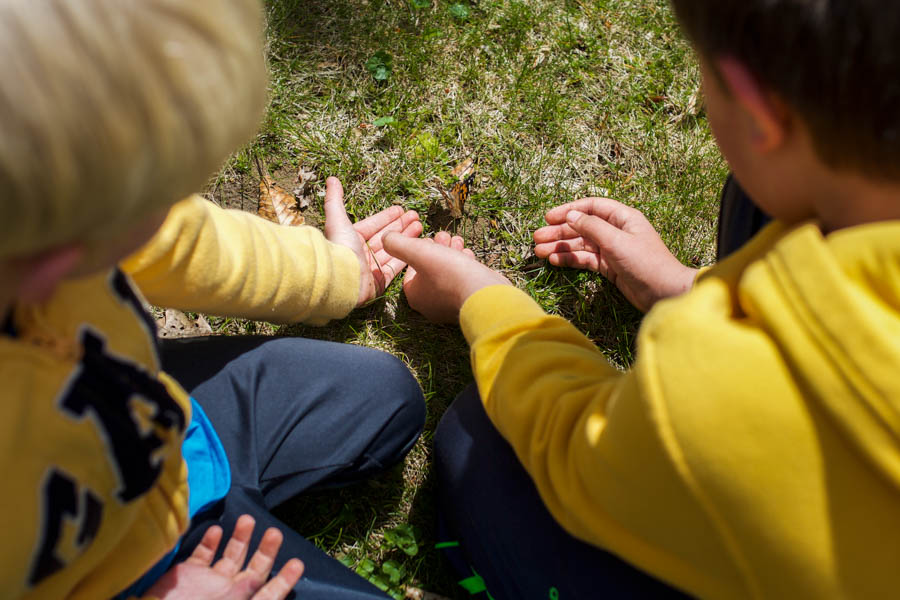
We released our butterflies this afternoon. The cat has been intently observing their movement with a flick of his tail – the precursor to a pounce. It was time. The boys hesitated and worried for their safety outdoors, but much like my son’s arm, they cannot stay caged forever. They needed to stretch their wings wide. We unzipped their little mesh habitat at the base of the cherry tree and with some coaxing and cheering watched them fly away. “Happy freedom!” my oldest exclaimed. One of the butterflies stayed close for a few extra minutes to the delight of my youngest, who was insistent on providing his namesake with a cherry blossom. Sure enough, the butterfly obliged and landed on it. Eventually he too was gone.

Happy freedom, butterflies. Thank you for the gift of roots. We hope you enjoy the full use of your wings as you spread them wide and fly.

White Sterilite Bins

*This was originally posted to my Facebook page on March 23, 2020. Some edits have been made from its original post, and it is shared with Donna’s gracious permission.

Sixteen years ago, perhaps exactly to this week, I entered Donna Rosso’s integrated preschool classroom to complete the second portion of my student teaching practicum experience. Admittedly, I wasn’t super excited about the experience going in. I had just spent eight weeks in first grade and I was in LOVE. My supervising teacher in that experience was fabulous. Her excitement for current approaches to reading and writing instruction was contagious, and we were impressed day after day by the students’ progress and abilities. I wasn’t done learning with them when it was time for me to leave them. Especially to head in to a preschool room. It was a younger age than I wanted to teach, but Early Childhood Education was the only Education major that would allow me the double major in Psychology I was interested in. A preschool practicum was simply part of the deal. I figured I’d do my time, take what I could from the experience, and then apply for first or second grade regular education teaching positions for the following school year.

As it turns out, that preschool practicum in the corner classroom of a little school in a little town shaped me far more than I expected. There are a trio of women I owe my career to, and Donna is one of them. The other two were also found in that placement. All three attended my wedding.

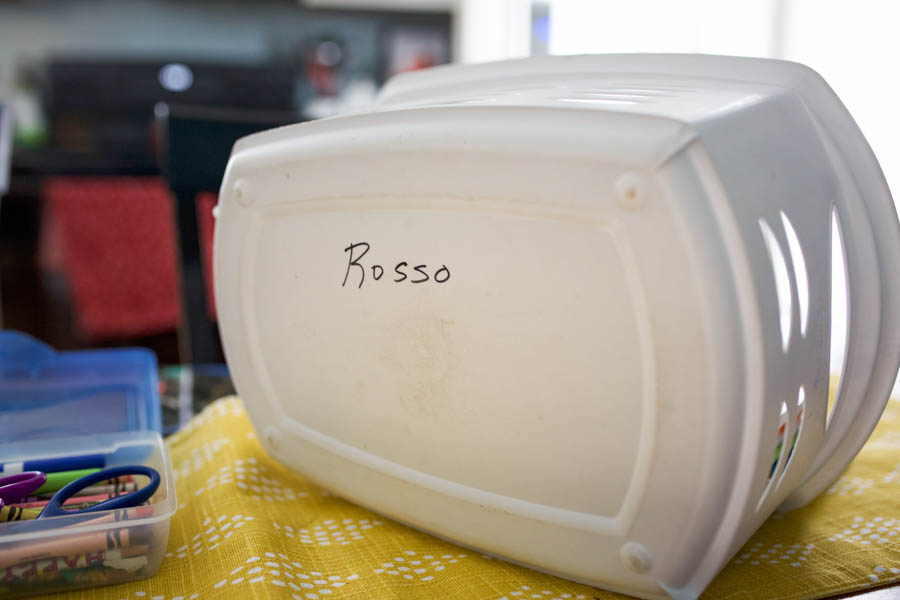
Half of the 12 students in Donna’s classroom were on the autism spectrum and I quickly fell deeper in love with them than I had with first grade. I learned the give and take of being part of a team that was led with appropriately high expectations. I learned to use picture symbols to communicate. I learned The Planets Song from Blue’s Clues. I learned how to toilet train a child. I learned that white Sterilite bins are the answer to any organizational problem. I learned the gift of genuine connection. I learned to take an intentional headbutt to the nose in stride and calmly carry on. I learned to celebrate the smallest of victories, which are in fact anything BUT small. I learned that public school has an overwhelming amount of limitations yet teachers are resilient and persistent and creative. I learned the vast differences in family situations and parental abilities. I learned that joy and safety are found in the repetition of the familiar. I learned the gift and humbling perspective of working with students in their own homes. I learned that the best thing to do when stuck in a pattern of negative behaviors is to take a step back, reduce or delay expectations if possible, and rebuild the relationship. I learned to trust my instinct in teaching strategies and problem solving. I learned that it turns out, I love special education. I had found my tribe.

For more than four years, I taught at a different school in the district. This was due in no small part to Donna’s insistence that I follow the superintendent through the halls of the school one day during my practicum in order to catch his stride and introduce myself. Like me, many of my students had started their public school career in that corner integrated preschool classroom. Occasional visits to her classroom after the end of the school day resulted in problem solving, collaboration, and camaraderie. We began working together in a new way through providing in-home educational therapy services to a student in a neighboring school district. Donna worked without ceasing to promote inclusion, accessibility, and genuine connection and interaction. She taught me to “presume competence” long before I’d ever heard the phrase. My heart and teaching style were shaped by the way in which she considered the whole child at the forefront of her teaching methodology.

Donna eventually took a principal position at an Early Childhood Center in another community and graciously passed along many of her classroom supplies before moving on. Among other things, I took a stack of the white Sterilite bins that had been used throughout her classroom to store materials and on the tabletops to corral objects that were temporarily in use. They travelled with me as I set up and dismantled five different classrooms. Every time I set the white bins in place it was a physical reminder of her presence in my teaching. When I left teaching to stay home with my sons, the bins spent a few years stacked in the basement next to my boxes of classroom supplies. They have since been put to use in several ways. Mostly, to organize the boys’ basement play space.

This afternoon I found myself trying to manage the workbooks and folders and manipulatives and all of the homeschooling accoutrement that had suddenly accrued on the kitchen table. I realized, I need a Donna Rosso bin! I found an unoccupied bin, placed everything inside, and smiled thinking about everything else these bins have contained. Art materials. Story props. Lesson materials for individual students. Velcro. Instruments. MCAS-Alt work samples. Morning work folders. Laminated activities. And then…cloth diapers. Fuzzy snowballs. Matchbox cars. Thomas trains.

Next year, I hope to be setting these bins in place in a new classroom. For now, it feels appropriate to have my teaching mentor with me during this pandemic homeschooling* experience in the form of a white Sterilite bin on my kitchen table. 

*Note: Seven weeks in, I am no longer considering this to be “homeschooling”. This is absolutely crisis schooling at home, and teachers working tirelessly to connect with students and teach virtual lessons from their homes are AMAZING. My understanding of teachers as “resilient and persistent and creative” has skyrocketed since I initially wrote this piece.

Love You, Miss You, See You Soon

One of my students used to bring a homemade, chocolate chip cookie to school in his lunch box every day. A shy, happy smile would spread across his face whenever anyone asked if his mom had made his cookies. She had. He LOVED his mom. And everyday at lunchtime when he pulled that chocolate chip cookie out of his lunchbox, he was reminded that she loved him, too.

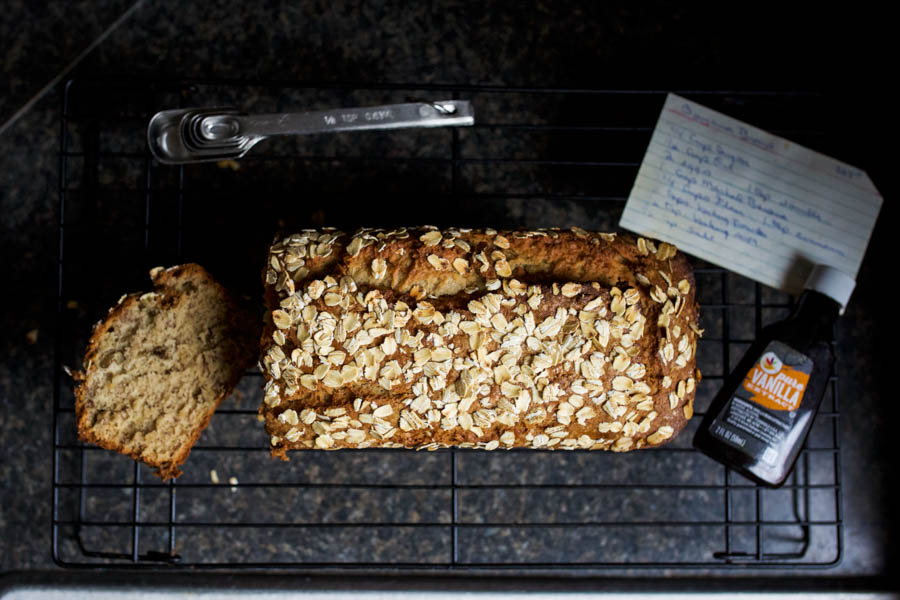
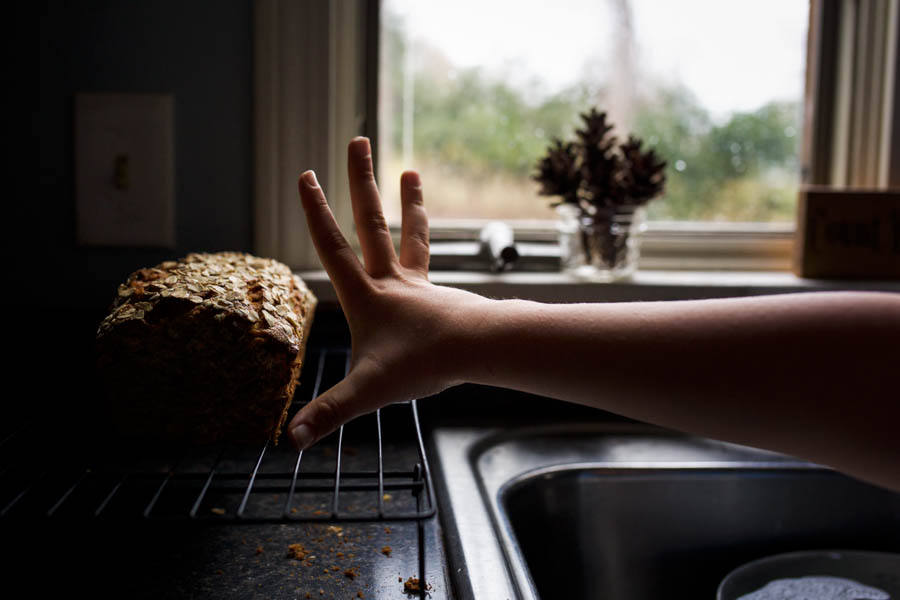
The other day I was chopping walnuts for banana bread. My son had repeatedly requested it and our bananas had been neglected long enough to turn brown. Though it’s been over a decade since that student has been mine, the memory of his daily lunch cookie popped into my head as my knife hit the cutting board. Man, I thought, that cookie was a commitment. And then I wondered about the process of making those cookies. Did his mother make them every Sunday for the week? Refrigerate or freeze the dough and bake a few at a time? Did her head ever hit the pillow at night only for her eyes to flash open in remembrance – the cookies! – causing her to set her alarm extra early for the next morning? Perhaps I’m romanticizing the memory of this lunchbox cookie and there were days, even many days, without one. But not that I can remember. That cookie in the middle of his school day was predictable and comforting and joyous. It was “I love you” and “I miss you” and “I’ll see you soon”.

At some point in the early days of my apartment living after college (maybe for Christmas that first year after graduation?) my mom gifted me a photo album. It contained index cards with favorite handwritten recipes intermingled with cooking themed photographs of myself at various ages with family and friends. The card that has gotten the most use is Mom’s banana bread recipe. It is dog-eared, oil stained, and just the slightest bit gritty. The red and blue lines on the card have run in places, lasting evidence of water drops from freshly washed hands after the eggs have been cracked and the card is picked up to confirm the next step. Banana bread is the obvious answer to two or more spotted bananas starting to loosen from their peels. It has also proven to be the remedy for a gloomy day, a cranky child, and missing the feel of home. Banana bread is “I love you” and “I miss you” and “I’ll see you soon”.

Initially I followed Mom’s recipe to a T. The bread was baked in the extra Pfaltzgraf Yorktowne loaf dish she had handed down to me, cracked but able to get the job done. Familiar and comforting. Over the years the cracks in Mom’s dish deepened, rendering it unusable. In addition, I have needed to tweak the ingredients of her recipe just a bit. My boys will have memories of a set of blue Bennington Pottery dishes resulting in a slightly different loaf shape than their Nana’s Pfaltzgraf, which is still nestled inside the lower kitchen cabinet because I can’t quite bring myself to get rid of it even though it is no longer safe to use. I hope my boys feel my “I love you” in the baking of banana bread for them. I hope that when they are in their first apartments and houses they find comfort in making banana bread. Not only when they are sick of staring at the overripe bananas on their kitchen counters, but also when they feel the need to quell a gloomy day, a feeling of missing home, and maybe eventually, a cranky child. I hope they pull out a familiar loaf dish from their lower kitchen cabinet and think of me in the process. I love you. I miss you. I’ll see you soon.

Last week, Mom and I discussed the idea of she and my dad coming down for a visit. At the beginning of April it hadn’t felt out of the ordinary to not have seen my parents. As the weeks stretch on it feels long. Too long. Typically our one hour and fifteen minute drive makes for a comfortable day trip. Given the current social distancing guidelines and potential health risks a visit just didn’t seem like a good idea, logistically or emotionally. It was the right, responsible choice, at least for now. And it was hard. Feeling defeated by the weight of responsible choices is a good time to have brown bananas in the kitchen. 

“What are you eating?” I heard my mom ask as the boys sat at the table chatting with her over FaceTime. “Banana bread!” they announced. Sometimes my oldest and my mom share the heel slice of a fresh loaf of bread. That day there was one hour and fifteen minutes of Berkshire hills between them, so my big guy had the entirety of the heel on his plate. Maybe, hopefully, the next time we make banana bread he will be able to share the heel with his Nana. Thank you, Mom, for the promise of banana bread. We love you, we miss you, and we will see you soon.

Casts and Caterpillars

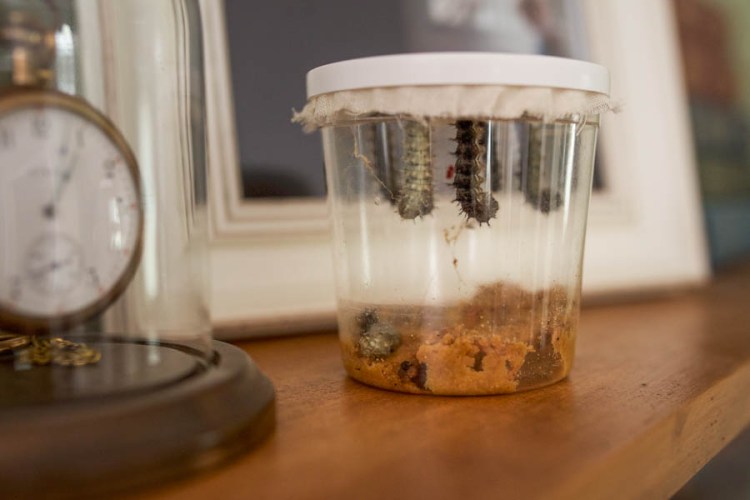
On Easter morning, my husband carefully removed a cardboard box from the mailbox. He looked at me, eyes wide. “It says, ‘Open Immediately’,” he stated. My heart sank. The caterpillars. We realized while the boys were busy hunting down eggs in the yard that we hadn’t checked the mail the day before. The caterpillars we ordered had spent their first night with us in the mailbox, and it had been at least twenty degrees cooler overnight than the 55 degrees that is recommended for their survival. I opened the box carefully, nervous about what we’d find. There were seven of them, tiny, unmoving in the lidded plastic cup. I smuggled the cup into the house when the boys were distracted and tucked it safely out of sight in my bedroom, hoping the warmth would cause them to perk up. One moved. Several hours later, a few moved. The brochure that accompanied their arrival explained that they might be slow to move for the first few days. We introduced them to the boys that afternoon. By bedtime they all had names. The next morning, all seven were moving. An Easter miracle.

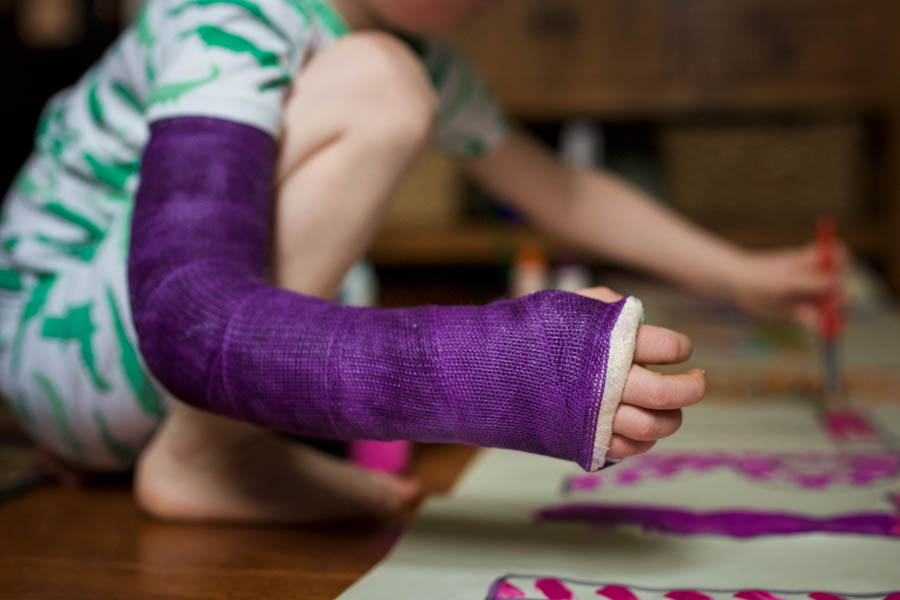
Our youngest fell off his bed and fractured his arm a few weeks ago, which is the exact opposite situation one would hope for during the middle of a pandemic. After a visit to the pediatrician, the Radiology department of the local hospital, and Shriner’s Hospital for Children, he came home with a purple cast from armpit to hand and an appointment to return in three weeks. The day before he was scheduled to have his cast removed we noticed some big changes in our caterpillar cup. They had grown so large that they seemed to be starting to compete for space. It was hard to believe they were so tiny only a week and a half ago. One caterpillar had attached itself to the underside of the lid and we were excited to observe that its transformation to chrysalis seemed to have begun. There was much discussion about which name belonged to our caterpillar with the great honor of being the first to begin the transition to chrysalis. In contrast, we also noticed a motionless caterpillar lying on its back across the bottom of the cup. After spending hours in that position, we assumed it had died without explanation. “Awww,” said my big guy. “That’s sad.” The boys know the risks associated with the gift of watching caterpillars turn into butterflies. They had each learned that lesson in their first year of preschool, gently and thoughtfully presented by a teacher in tune with my oldest’s sensitive nature. It is a natural process, and it is simply a possibility that not all of the caterpillars will make it. “It IS sad,” I agreed.

The purple cast came off yesterday. And then, following a less than perfect x-ray, a new one went on for the next two weeks. Unexpected. Frustrating. A setback. But not the end of the world, and the little guy took it in stride. We got home from our early morning appointment and checked in on the caterpillars. There was, after all, a new cast to show to them through their curved plastic wall. It was then that we noticed an unanticipated discovery. The caterpillar that we had presumed dead was no longer lying across the bumpy food mixture in the bottom of the cup. It had quietly transformed into a beautiful, perfect chrysalis against the side wall. The boys were delighted with this unexpected discovery. We glanced at the top of the cup to check on the progress of our first chrysalis and noticed a problem. It had not, in fact, transformed into a beautiful, perfect chrysalis. It hung from the top – slender, black, and fuzzy – seemingly frozen mid-process. Maybe it became stressed by the activity of the other caterpillars crawling around the underside of the lid during crucial moments of its transition? Maybe it had an internal structural abnormality making it impossible to complete the transition to chrysalis? It looks doubtful that it will progress beyond its current state. “That’s sad, Mama,” said my boys. 

It IS sad, I thought to myself as I stood in the kitchen stacking clean plates in the cabinet while tidying up after lunch. I couldn’t stop thinking about that little malformed chrysalis. It is slightly (entirely) possible I was projecting some emotion onto the caterpillar situation.  The frustration of extended time in the cast, stress of another exposure to a medical setting during this frightening time, recent news of school buildings being closed through the remainder of the academic year, and a quick scroll through the local and national news weighed heavy. A hymn entered my head.

“Now the green blade riseth, from the buried grain,

Wheat that in dark earth many days has lain;”

I realized that the music was not, in fact, in my head, but was rising from the basement where my husband was recording for this coming Sunday morning’s virtual church service. I hummed along with him, sorting silverware in time.

“Love lives again, that with the dead has been:

Love is come again like wheat that springeth green.”

That hymn, the humming, the ordering of the kitchen calmed me. Easter was here, but still we wait. For fractures to heal and emerge from casting. For butterflies to emerge from their chrysalides. For us to emerge from our homes. This morning’s caterpillar observation revealed that we have no more caterpillars crawling around. On Sunday we will carefully move our chrysalides from their tiny cup into the butterfly tent that has seen other inhabitants in classrooms outside of my living room. Maybe a week from now, a butterfly will somehow emerge from that unsightly, imperfect, not-quite-a-chrysalis among the six other seemingly perfect ones. Maybe not. Time will tell. For now, we will live in the wonder of its potential to emerge.

“When our hearts are wintry, grieving, or in pain,

Jesus’ touch can call us back to life again,

Fields of our hearts that dead and bare have been: 

Love is come again like wheat that springeth green.”

Hymn text: Now the Green Blade Riseth by John Macleod Campbell Crum

Piano recording of Now the Green Blade Riseth, arranged and recorded by my husband:

Grammie Words

*This was originally written as a Facebook post on 3/14/20. I’ve made slight edits and wanted to share it in this space as well.

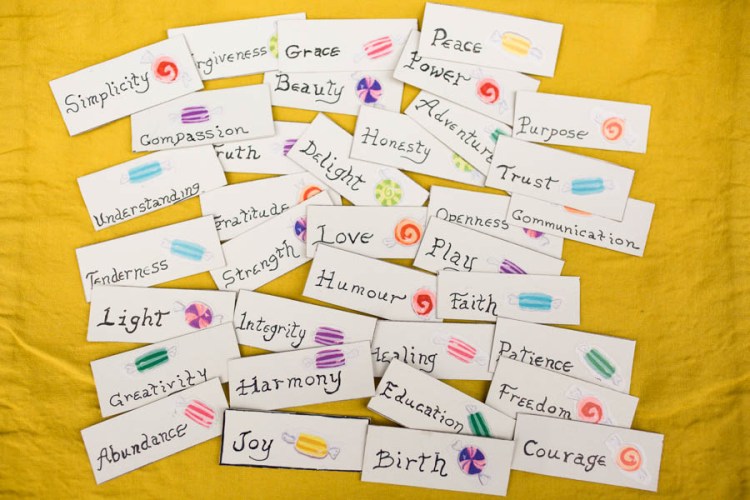
“Mama, can we do Grammie words?” my seven-year-old son asked as I pulled down the chain on his bedside lamp on Wednesday night. “Not tonight. Remind me tomorrow.” And he did remind me the next day, except it was 8:37am and he had a school bus to catch. Yesterday mid-morning he showed up outside the closed bathroom door. “Mama. You SAID we could do Grammie words!” he declared, his voice firm yet muffled through the door. “You’re right, bud. I did.” And so we sat down on my bed, flipped back the lid on the little glass jar, and I started to read. “Peace. Joy. Integrity. Compassion, healing, purpose, faith…”

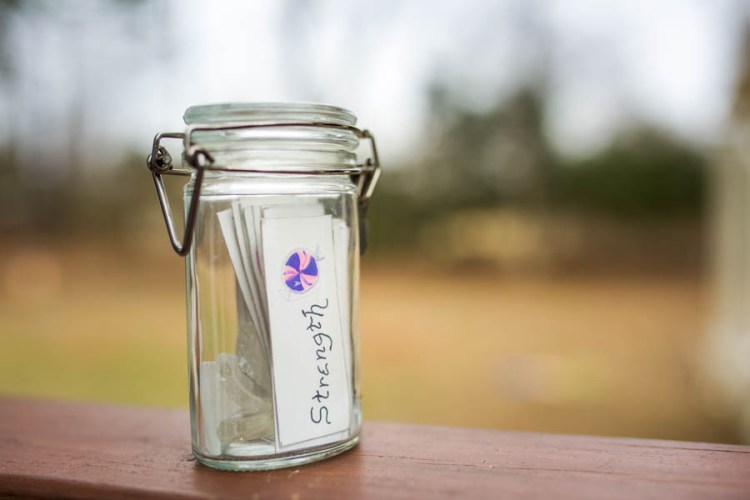
During a visit with my grandmother a few years before she passed, she handed me a crinkled sandwich bag. The bag had likely held previous treasures and was now sealed up tight. “I read this list of words in a magazine,” she had told me. “I thought they were important.” She always was a lover of words. I glanced at the bag and it contained a scattered stack of tiny white cards, each about the size of a return address label. Every card had a word written on it along with a tiny picture. I honestly don’t remember much more about the exchange, chances are good I was distracted by the needs of the boys and the topic never returned to the bag of words. Once home, I placed the collection in a safe spot in my drawer and forgot about it.

Grammie died a year and a half ago, and we are still reeling from her loss. I miss her. My boys miss her. I think the only thing harder than missing someone is to watch your children miss them, too. One day I remembered the words in my drawer and pulled out the little bag I had placed there a few years prior. As I began to look through the words, I realized how much time and intention had gone into creating this little collection. I could see ink lines along the edges of some of the cards as well as small marks in places, evidence of careful measurement. The edges of the cards looked perfectly straight though I discovered that they wavered just slightly in places. Controlled scissor cuts. I suspect Grammie used one of those white gift boxes intended for clothing to create the cards themselves. She went on to write a different word in careful black lettering on each of the 35 cards, then finalized each card with (to my slight amusement) a sticker of a wrapped hard candy. I read through every single card. It brought comfort to speak aloud the words that Grammie had deemed so important. They deserve a place of higher honor than the recycled bag in the drawer, I thought. So I got them a little glass jar, placed them inside along with a few pieces of Grammie’s sea glass for good measure, and set them on my dresser.

Some nights at bedtime, my son feels Grammie’s loss a little more intensely and we grieve. One such night I told him about the collection of words and asked if he’d like to read them with me. He was intrigued. By the time we reached the end of the stack his breathing had relaxed, his tears had dried, and he had learned more than a few new vocabulary words. He asked if we could “do Grammie words” again sometime. “Absolutely,” I responded. And we have, at least a handful of times since.

The requests to “do Grammie words” usually come during times of overwhelm. (Or occasionally, to stall at bedtime.) After taking a moment to sit physically close and share the practice of reading aloud the words, a calm assurance descends upon us both. We take a deep breath, tightly latch the lid of the jar after placing the treasured collection back inside, and move on to the next task. I don’t think it’s a coincidence that he persisted for three days straight in asking to read our sacred words during the crazy, uncertain, increasingly complicated week that we have all just shared.

I’d like to offer our Grammie words to you, whether literally or in concept. There is a comfort that comes in speaking of and sharing her. Use her words when you need them. Know that they are tucked away to be pulled out when it is all too much. Reflect and breathe, because that time is never wasted.